
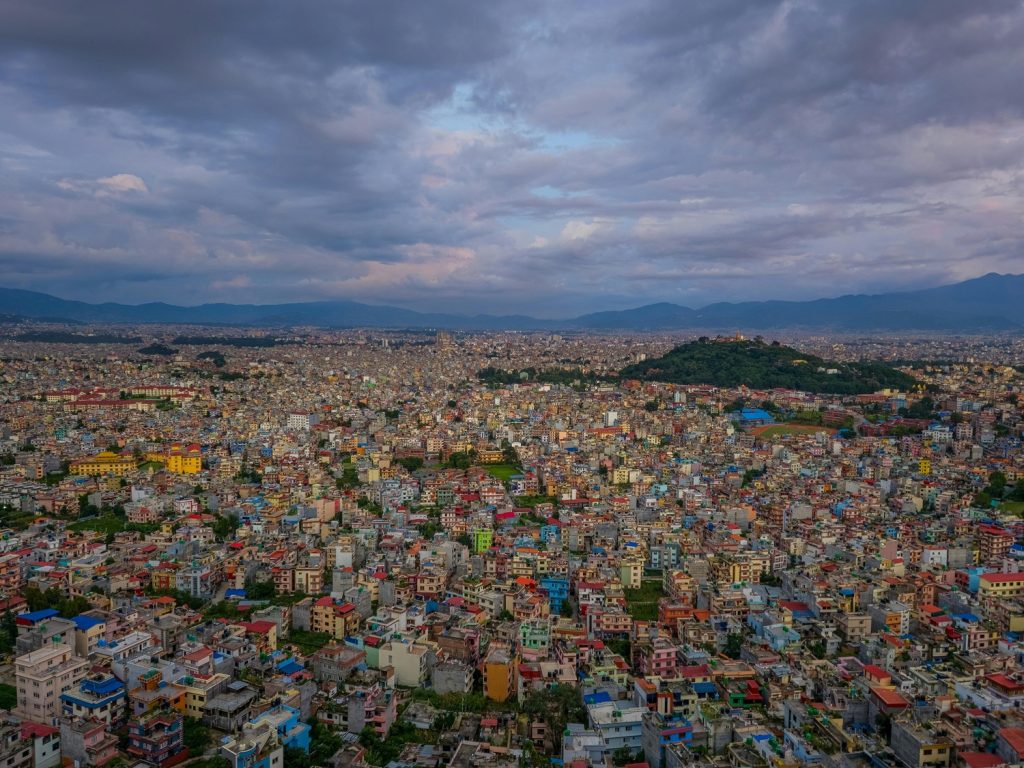
Kathmandu Valley, located in the heart of Nepal, is one of the most historically rich and culturally vibrant destinations in South Asia. Known for its ancient temples, UNESCO World Heritage Sites, and a unique blend of Hindu and Buddhist traditions, the valley attracts millions of travelers every year. Whether you are exploring Kathmandu for the first time or researching Nepal’s cultural heritage, the Kathmandu Valley stands out as a fascinating place filled with art, architecture, festivals, and timeless beauty. This SEO-optimized guide covers everything from the history of Kathmandu Valley to its top attractions, cultural significance, and modern transformation.
Origins and Historical Background of Kathmandu Valley
The history of Kathmandu Valley is intertwined with mythology, geology, and centuries of human settlement. Local legends state that the valley was once a lake called Nagdaha. It is believed that Bodhisattva Manjushree drained the lake by cutting the Chobhar Gorge, making the area habitable. While the myth forms an essential part of the valley’s identity, geological research supports that Kathmandu Valley was once a lake millions of years ago.
Archaeological discoveries reveal that human settlement began here around 2000 years ago. Throughout its development, the valley saw major historical periods:
1. Licchavi Period (4th–8th century)
- Early formation of towns and trade routes
- Introduction of stone sculptures, temples, and inscriptions
2. Malla Period (12th–18th century)
- Golden era of art, culture, and Newari architecture
- Construction of incredible palaces and temples in Kathmandu, Patan, and Bhaktapur
- Rise of the iconic pagoda-style temples
3. Shah Era and Modern Period
- Unification of Nepal by Prithvi Narayan Shah
- Establishment of Kathmandu as the political and cultural capital
Today, Kathmandu Valley represents an exceptional blend of ancient civilization and modern urban life.
Cultural Diversity of Kathmandu Valley
Kathmandu Valley is often regarded as the cultural heart of Nepal. Its population reflects a beautiful mixture of communities, traditions, and languages. The Newar community, the indigenous inhabitants, have shaped the valley’s cultural heritage for centuries. Their unique festivals, foods, and craftsmanship are central to Kathmandu’s identity.
Other ethnic groups—including Brahmins, Chhetris, Tamangs, Gurungs, and Sherpas—also contribute to the valley’s diversity. This multicultural environment makes Kathmandu Valley an ideal place to explore if you want to understand Nepal’s traditional lifestyle blended with modern influences.
Newar Culture: A Living Heritage
Newars are known for:
- Exquisite woodwork and metal craftsmanship
- Distinct language (Nepal Bhasa)
- Complex festivals and rituals
- Rich cuisine such as yomari, bara, and chatamari
Their heritage is visible in every temple, courtyard, and traditional settlement across the valley.
Architecture and UNESCO World Heritage Sites in Kathmandu Valley
Kathmandu Valley is home to seven UNESCO World Heritage Sites, making it one of the world’s most concentrated heritage regions. These sites are globally recognized for their unique architecture, religious importance, and cultural history.
1. Kathmandu Durbar Square
Highlights:
- Hanuman Dhoka Palace
- Kumari Ghar (home of the Living Goddess)
- Taleju Temple
A must-visit for history lovers exploring Kathmandu City.
2. Patan Durbar Square
Located in Lalitpur, renowned for:
- Krishna Mandir
- Golden Temple (Hiranya Varna Mahavihar)
- Masterful Newari stonework
3. Bhaktapur Durbar Square
Known as the “City of Devotees,” famous for:
- 55-Window Palace
- Nyatapola Temple (5-storied pagoda)
- Pottery Square
4. Swayambhunath Stupa
A hilltop Buddhist shrine offering panoramic views of Kathmandu, also called the Monkey Temple.
5. Boudhanath Stupa
One of the world’s largest stupas and a center of Tibetan Buddhism.
6. Pashupatinath Temple
The holiest Hindu temple dedicated to Lord Shiva, known for its rituals and spiritual atmosphere.
7. Changu Narayan Temple
Considered the oldest Hindu temple in Nepal, showcasing ancient Licchavi-era art.
These heritage sites make Kathmandu Valley a top travel destination for tourists seeking cultural exploration and spiritual experiences.
Festivals of Kathmandu Valley: Culture You Can Experience All Year Round
Kathmandu Valley hosts some of the most colorful and meaningful festivals in Nepal. These festivals attract travelers, photographers, and researchers from all over the world.
Major Festivals in Kathmandu Valley
- Indra Jatra – giant chariot procession in Kathmandu
- Dashain – Nepal’s biggest Hindu festival
- Tihar – festival of lights
- Holi – festival of colors
- Bisket Jatra (Bhaktapur) – Nepali New Year
- Rato Machhindranath Jatra (Patan) – rain-god festival
- Gai Jatra – traditional procession honoring deceased loved ones
These cultural festivals make the valley one of the best cultural tourism destinations in Asia.
Daily Life and Modern Development in Kathmandu Valley
Beyond its cultural heritage, Kathmandu Valley is Nepal’s economic, educational, and commercial hub. Daily life here is a unique combination of old traditions and modern lifestyles.
Modern Features of Kathmandu Valley
- Growing IT and startup scene
- Busy commercial zones like Thamel, Durbar Marg, and New Baneshwor
- International restaurants and cafés
- Expanding universities, hospitals, and business centers
At the same time, traditional practices remain strong. People still gather in courtyards for morning prayers, artisans continue their crafts, and temples remain central to daily routines.
Tourism in Kathmandu Valley
Kathmandu Valley is the starting point for most Nepal trekking routes, including the Everest Base Camp trek. It is also a major destination for:
- Cultural tourism
- Heritage tours
- Spiritual retreats
- Photography trips
- Food and festival tourism
Best Things to Do in Kathmandu Valley
- Explore the UNESCO heritage squares
- Visit Swayambhunath and Boudhanath
- Walk through Ason and Indrachowk markets
- Try authentic Newari cuisine
- Join a festival celebration
- Experience pottery making in Bhaktapur
- Enjoy sunset views from Nagarkot or Swoyambhu
Because of these attractions, Kathmandu Valley is one of the best tourist destinations in Nepal.
Challenges Kathmandu Valley Faces Today
Despite its beauty and importance, Kathmandu Valley faces several modern problems.
Major Challenges
- Air pollution
- Traffic congestion
- Waste management
- Water scarcity
- Unplanned urbanization
- Heritage conservation issues (especially post-2015 earthquake)
These challenges require long-term planning and community participation to preserve the valley’s cultural identity.
The Future of Kathmandu Valley
With rising global interest in sustainable tourism, heritage conservation, and cultural research, Kathmandu Valley has significant potential. Community-led restoration projects, eco-friendly initiatives, and digital entrepreneurship are helping shape a more promising future.
If managed carefully, the valley can become a model city where cultural preservation and modern development harmoniously coexist.
Conclusion
Kathmandu Valley is more than just a travel destination—it is a living example of Nepal’s cultural depth, architectural brilliance, and historical richness. From its legendary origins to its modern transformation, the valley remains a place where past and present blend perfectly. Whether you are researching Nepal, planning a trip, or exploring cultural heritage, the Kathmandu Valley offers an unforgettable experience that continues to inspire visitors from around the world.